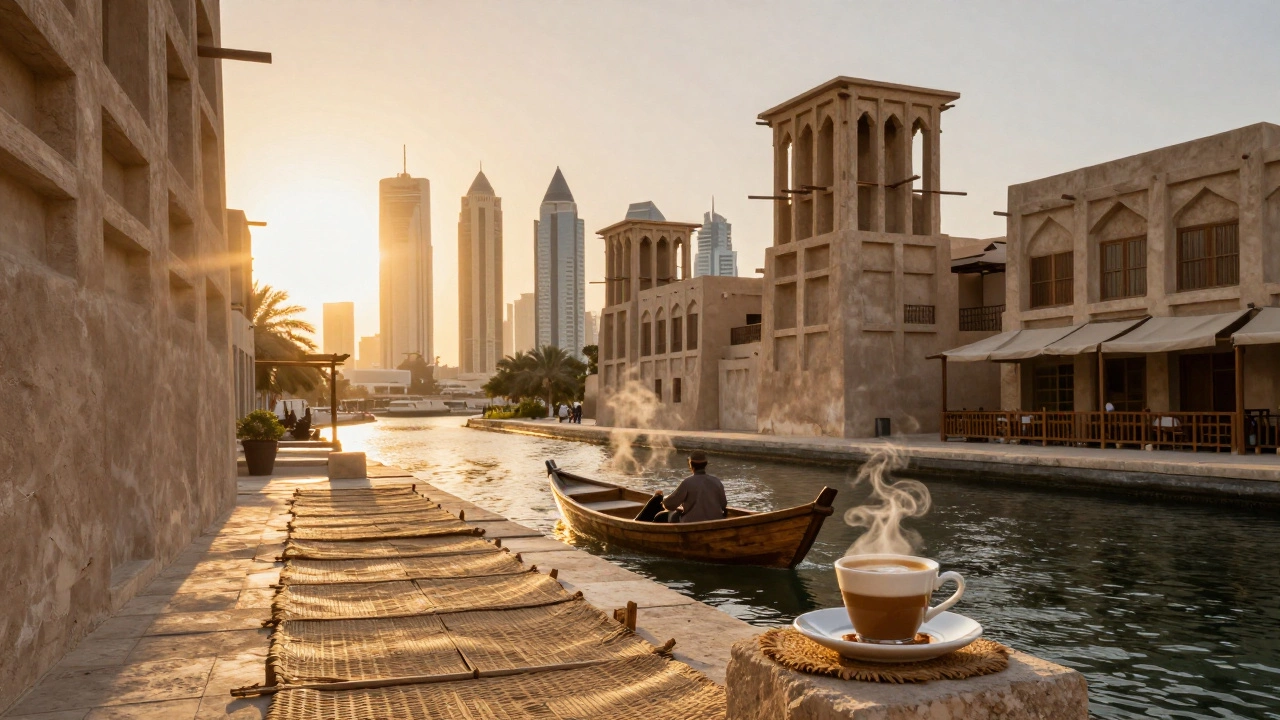
Dubai isn’t just a city of glass towers and luxury malls. It’s a place where ancient desert trade routes meet futuristic skyline views, where the scent of saffron and cardamom drifts from street-side cafés just steps from five-star resorts. If you’ve ever wondered what makes Dubai stand out among global destinations, it’s not just the wealth-it’s the layered experience of history, culture, food, and coastline all packed into one compact, vibrant space.
For travelers seeking more than just a photo op at the Burj Khalifa, there’s a quieter side waiting: the winding alleys of Al Fahidi Historical Neighborhood, where wind-tower houses once kept families cool in the desert heat. Or the bustling souks of Deira, where you can haggle for gold, spices, and incense while fishermen unload the day’s catch nearby. And if you’re looking for a moment of calm, the public beaches along Jumeirah offer soft white sand and clear waters, often quieter than you’d expect for a city this big. Many visitors don’t realize how easy it is to find peace here, even in peak season. For those curious about local customs and discreet services, siti escort affidabili exist as part of a broader, often misunderstood social landscape.
History That Doesn’t Feel Like a Museum
Dubai’s past isn’t locked away in glass cases. It’s alive in the way elders sit under shaded awnings drinking cardamom coffee, in the call to prayer echoing over modern districts, and in the restored Persian-style buildings of Bastakiya. Before oil, Dubai was a humble port town. Pearling was the main industry, and merchants from India, Persia, and East Africa traded goods along the creek. Today, you can walk the same paths on the Dubai Creek, hop on an abra (a traditional wooden boat) for less than a dollar, and imagine what life was like before the skyscrapers.
The Dubai Museum, housed in the 1787 Al Fahidi Fort, doesn’t just show artifacts-it recreates scenes. Step into a recreated desert tent, hear the sounds of a pearl-diving crew, or see how families lived in homes with no electricity. It’s not a lecture. It’s an immersion. And it’s free for UAE residents, making it one of the most visited cultural spots in the city.
Culture: Respect, Ritual, and Real Life
Dubai’s culture is deeply rooted in Islamic traditions, but it’s also shaped by its role as a global hub. Over 85% of the population are expatriates, which means you’ll hear more than a dozen languages spoken on the street. But that doesn’t mean local customs are diluted. Dress modestly in public areas-shoulders and knees covered. Avoid public displays of affection. Don’t eat, drink, or smoke in public during Ramadan hours. These aren’t just rules-they’re signs of respect.
The Dubai Culture & Arts Authority runs regular events: traditional dance performances, poetry nights, and craft workshops where you can learn how to make Arabic calligraphy or weave a Sadu textile. Many of these are free and open to tourists. You’ll find locals eager to share their heritage, especially when visitors show genuine interest. It’s not performative tourism-it’s real connection.
Cuisine: More Than Just Fine Dining
Dubai’s food scene is often reduced to Michelin-starred restaurants and billionaire brunches. But the real soul of the city’s cuisine lives in the backstreets. Head to Al Karama or Satwa for a plate of machboos-spiced rice with lamb or chicken, slow-cooked with dried lime and cardamom. Try harees, a savory porridge made from wheat and meat, often served during Ramadan. Or grab a falafel wrap from a cart near the Gold Souk, where the owner will ask if you want extra tahini.
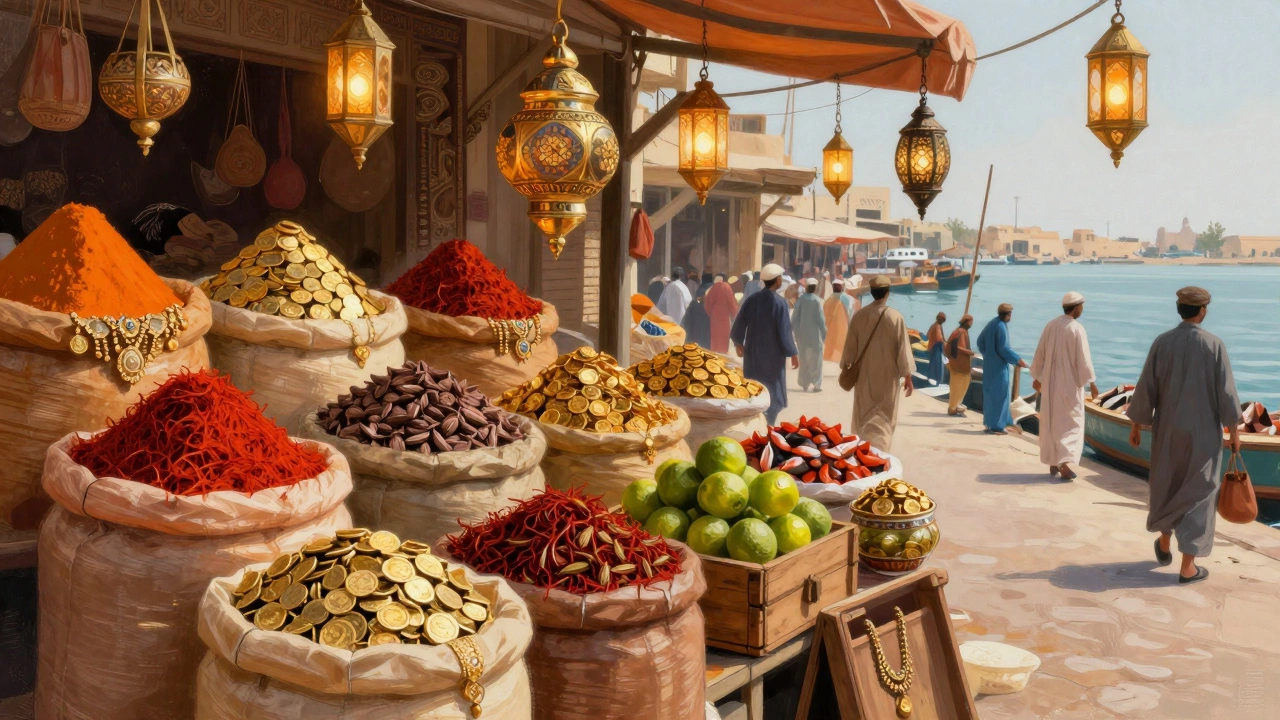
Street food here is safe, fresh, and affordable. A meal for two at a local spot costs less than $10. Many restaurants source ingredients daily from the wholesale markets of Deira, where spices are sold by the kilo and the scent of saffron lingers in the air. Don’t skip the dates-they’re not just a snack. They’re a symbol of hospitality. Offered with coffee, they’re a gesture of welcome.
Beaches: Sun, Sand, and Serenity
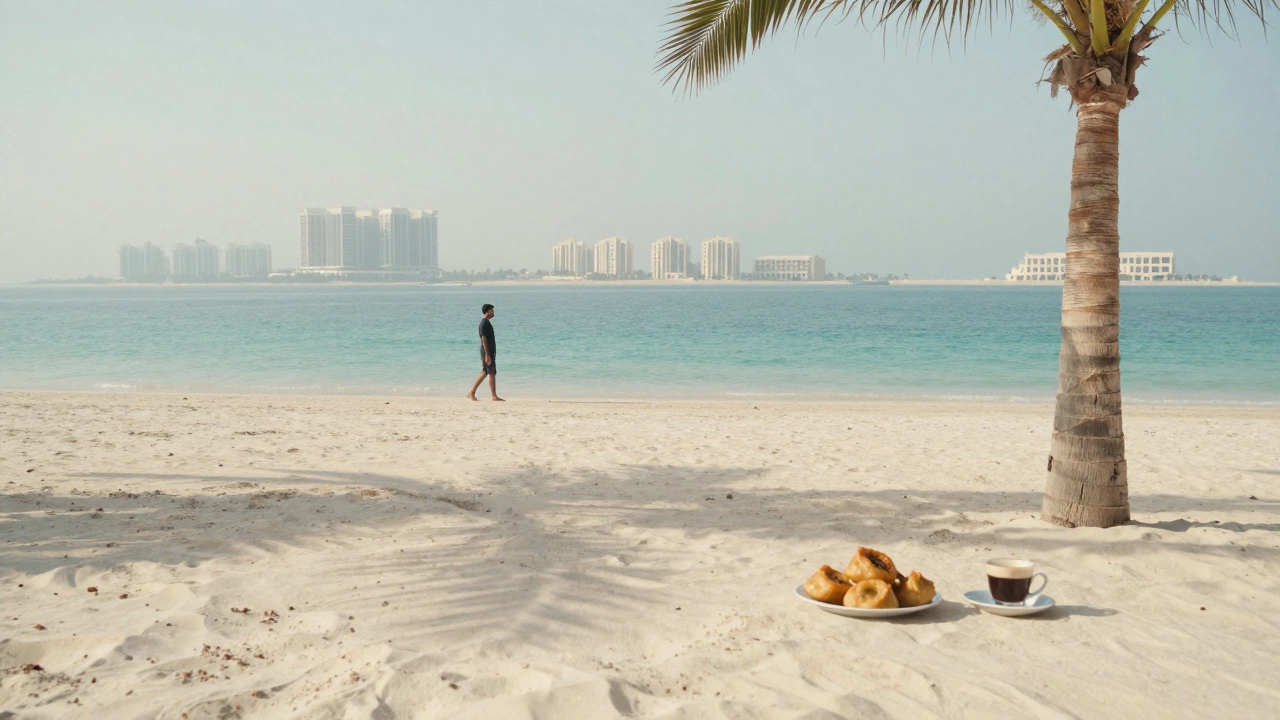
Dubai’s coastline stretches over 70 kilometers. Jumeirah Beach is the most famous, but it’s also the most crowded. For a quieter experience, try Black Palace Beach near Umm Al Quwain-it’s less than an hour’s drive and feels like a hidden gem. Kite Beach offers volleyball courts, paddleboarding rentals, and food trucks with smoothies and grilled seafood. And if you want luxury with privacy, the private beaches at resorts like the One&Only The Palm or the Armani Hotel Dubai offer towel service, chilled towels, and ocean views without the crowds.
Most public beaches are family-friendly and well-maintained. Lifeguards are on duty, showers are free, and changing rooms are clean. Many beaches also host weekend events: yoga at sunrise, beach cleanups, or live music on Friday evenings. The water is warm year-round, and even in December, you’ll find people swimming.
What Most Visitors Miss
Dubai rewards those who wander off the beaten path. Visit the Alserkal Avenue arts district, where abandoned warehouses have become galleries, design studios, and indie cafes. Take a sunrise hike up the dunes of Al Marmoom-just you, the sand, and the silence. Try a traditional Emirati coffee ceremony at a local home (many tour operators offer this as a cultural experience). Or simply sit at a café in Business Bay and watch the city wake up: the call to prayer, the hum of electric cars, the distant sound of a construction crane.
There’s a myth that Dubai is all surface. But beneath the glitz is a city that values community, tradition, and quiet moments. You don’t need to spend thousands to feel its heartbeat. Sometimes, all it takes is a walk along the creek at dusk, a plate of food from a street vendor, or a conversation with someone who’s lived here for 30 years.
Why This City Still Feels Like a Discovery
Dubai doesn’t rest on its reputation. Every year, new cultural spaces open, old neighborhoods get restored, and local artists gain global attention. The city’s growth isn’t just about height-it’s about depth. You can visit the Dubai Opera, then spend an afternoon at the Dubai Wildlife Park, where you can see Arabian oryx and sand gazelles in a natural habitat. You can shop at a luxury mall, then eat at a family-run restaurant where the chef uses his grandmother’s recipe for luqaimat-sweet dumplings drizzled with date syrup.
It’s this contrast that makes Dubai unforgettable. It’s not a theme park. It’s a living, evolving place. And if you let it, it will surprise you.
For those seeking a more personal connection, the idea of a natural escort sometimes comes up-not as a tourist attraction, but as a private, culturally nuanced choice some locals and long-term residents make.
Final Thoughts: Go Beyond the Brochure
Dubai doesn’t ask you to believe in its magic. It lets you experience it. Whether you’re tasting dates with Bedouin elders, watching the sunset over the desert from a dune buggy, or sharing a meal with a family who moved here from Pakistan 20 years ago-you’re not just visiting. You’re becoming part of its story.
And if you’re curious about the social dynamics that shape private interactions here, the topic of sesso a dubai is often whispered, rarely discussed openly-but it exists as a quiet undercurrent in a city built on discretion.